
The course that disappeared
Built in a forest clearing
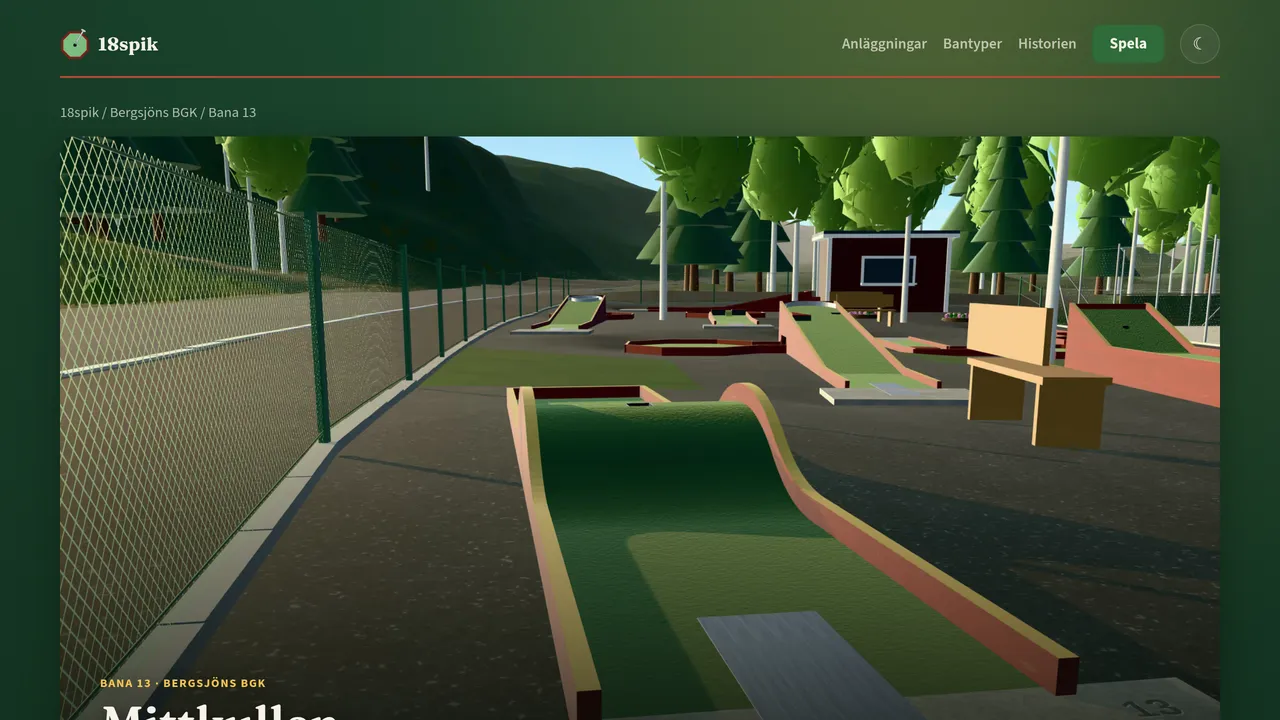
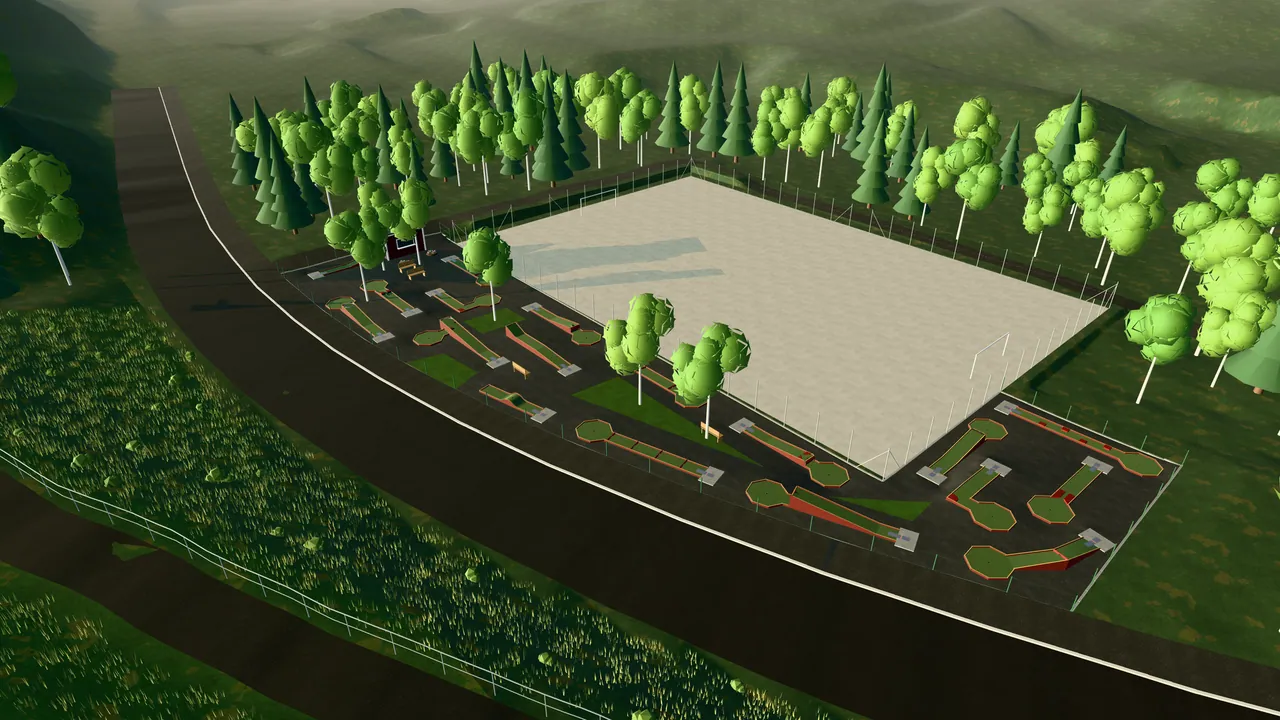
In Bergsjön, next to a simple football pitch, a patch of forest was cleared and a bangolf course was built: eighteen lanes in Falu-red timber on gravel beds, green felt, obstacles in yellow and red. I was there when it was built. I watched the course being born.
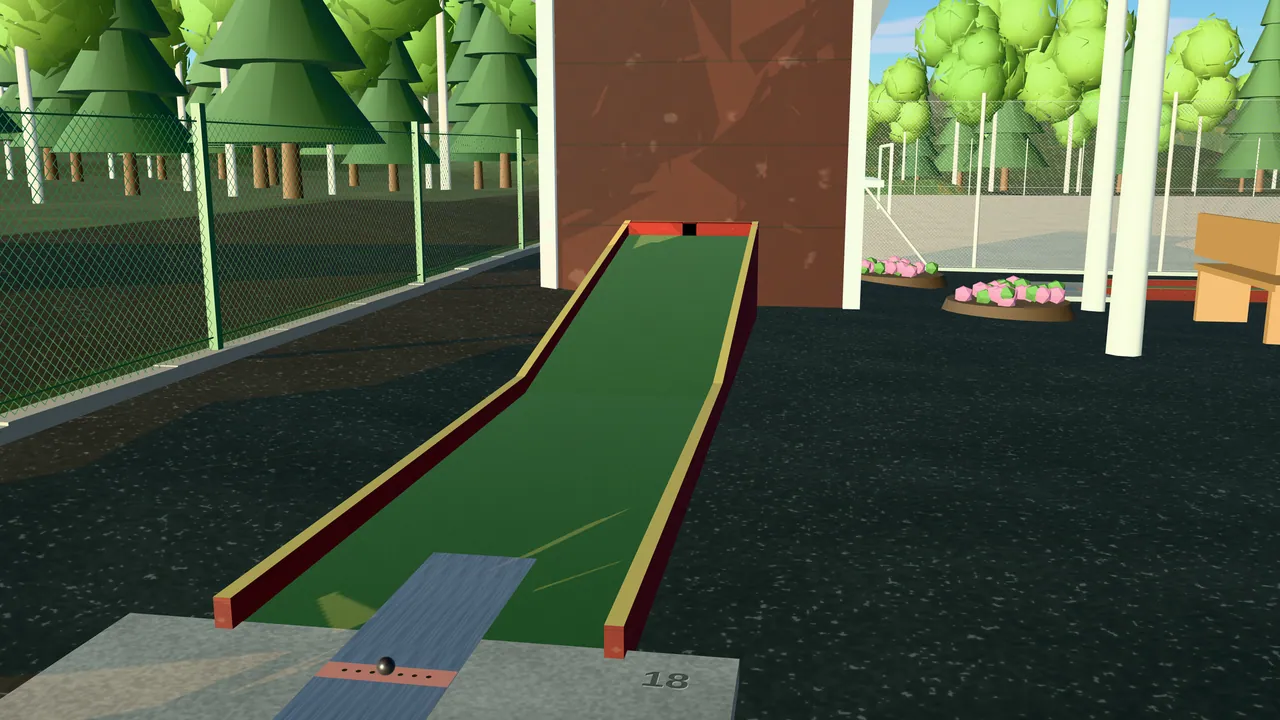
Asphalt paths between the lanes, birches and flowers, and a kiosk by the entrance selling coffee and ice cream. The eighteenth lane ended at the kiosk, so the round finished where it began. In an area like Bergsjön, which had its problems, a place like that meant something more. The kids had something better to do.
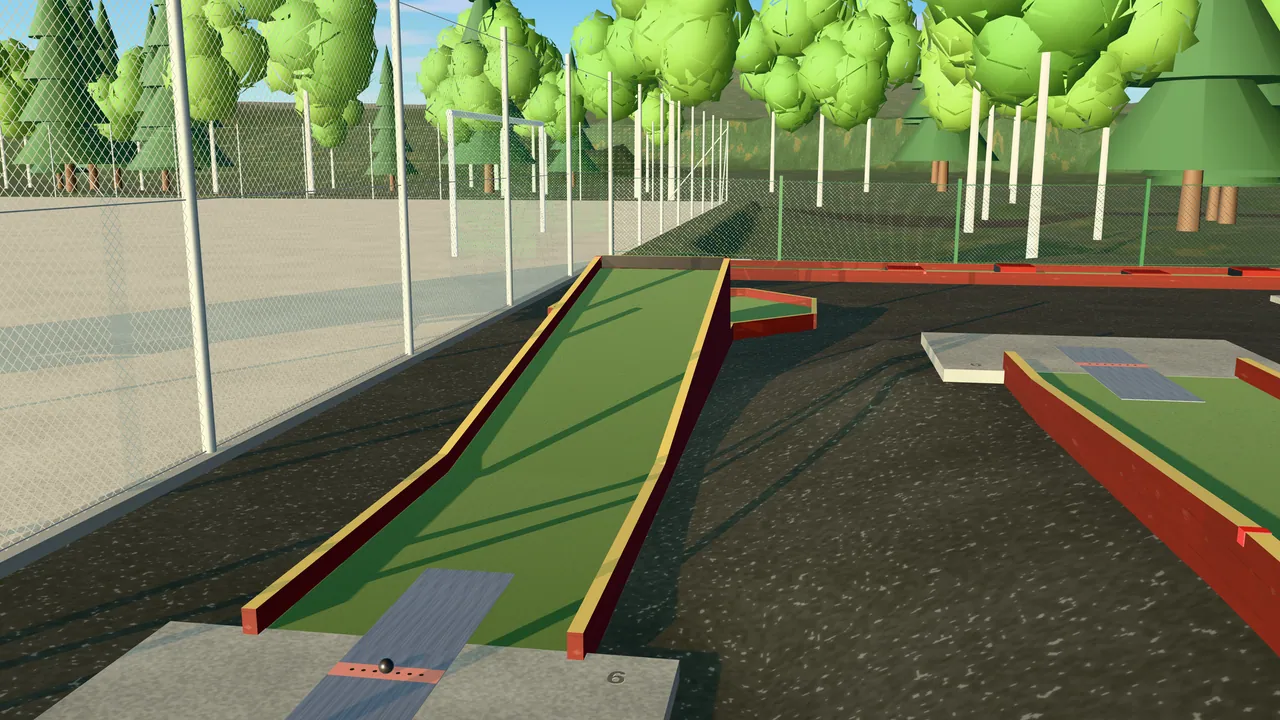
My first club was a gift from one of the club's best players. It had old, thick rubber on the blade and felt fantastic. Then I grew too tall for it, and I never found that rubber, or that club, again. Anyone who has played understands: equipment isn't interchangeable. That's why the balls in 18spik carry the sport's real measurements.
The Swedish Championship came to Bergsjön
The club was active in the Swedish Bangolf Federation through the 80s and 90s. In 1987 it hosted the Swedish Championship, and a national competition was played here as late as 1993. The course was genuinely hard, and knowing it was a real advantage. I played it for years, in the end to a course record.
The end
Then it ended. The core players moved on to bigger clubs, I stopped while still young, and by the end of the 90s the course had gone quiet. In the early 2000s the lanes were taken down. Today there are homes on the site. The football pitch and the road are still there. The course isn't.
No drawings survived, not even aerial photos. Years later my bag was stolen from a garage: some thirty balls and the club, untouched for years. Worth a great deal to the one who plays them, nothing to anyone else.
Now it exists again
The only thing left was memory. Forty years later the course is back, rebuilt from memory, hole by hole: the lane types, lengths, slopes and obstacles, the shape of the plot, the kiosk, the benches, the evening light. It isn't a picture to look at. You can play it. And as a kid from Bergsjön, getting to take it back feels fantastic.
“The course could be torn down. The bag could be stolen. But the summers, the friends, the feeling of a perfect stroke: nobody could take that.”
That's what life is about, I think: letting what builds up win over what breaks down. That resurrection and life win over death. Now here too.